Loss of Public Beauty - A Backwards Story of Telephone Kiosks
19 Nov 2026
Loss of Public Beauty – A Backwards Story of Telephone Kiosks
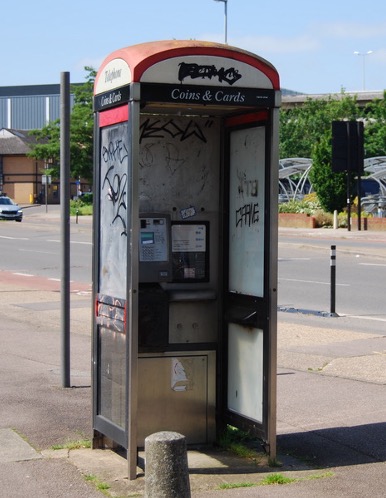
I took a photograph of this telephone ‘kiosk’ on East Road, Cambridge in 2024. It typified the lack of design elegance of the public spaces in that part of the city at the time.
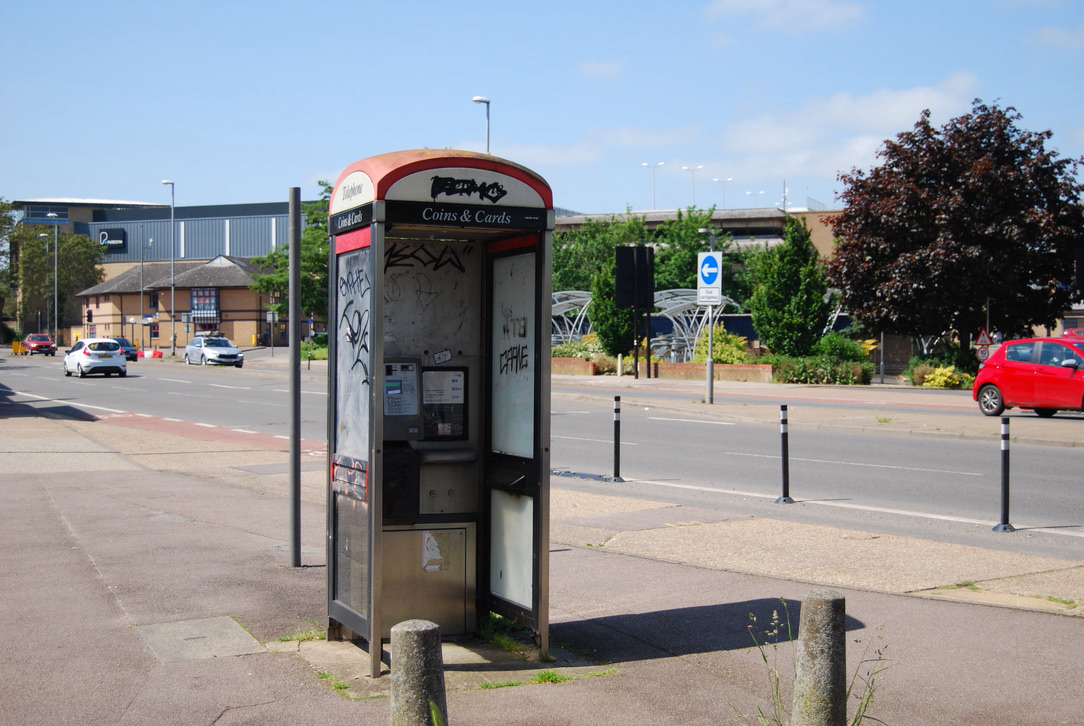
Figure 1. Telephone Kiosk on East Road, Cambridge. Author's photo 2024.
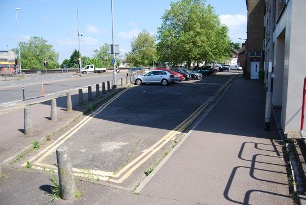
Figure 2. Desolate area immediately adjacent to the telephone kiosk on East Road in 2024. Author’s photo.
Delving a little into the history of telephone kiosks reveals quite dramatically the loss of care and concern for public infrastructure over the decades. The vandalised kiosk on East Road is probably a KX100+ kiosk (minus its door!) that BT introduced in 1996 (see Figure 3 below). This was an attempt to improve and soften the look of the original ‘boxy” KX100 design, which had been introduced a few years earlier, by increasing its height with a shallow domed roof that echoed Scott’s domed roof on traditional kiosks (see later).
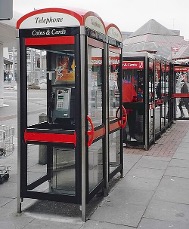
Figure 3. A pair of KX100+ kiosks with domed roofs alongside the earlier KX100 style of kiosk. Photo Consallforge. Creative Commons Attribution-Share Alike 4.0 International License.
These kiosks were amongst several designs by BT for telephone kiosks in their quest for modernity and utility following the privatization of the GPO telephone service. In fact, the GPO had rather lost its way itself in the 1960s when they attempted to update and modernise the longstanding and iconic red telephone kiosks dating from the 1920s and 30s.
The rather bland K8 was designed in 1965 by Bruce Mann and introduced in 1968. It was the heir to a long succession of the K class (with K simply referring to “kiosk”) that the GPO had installed across the country since the 1920s.
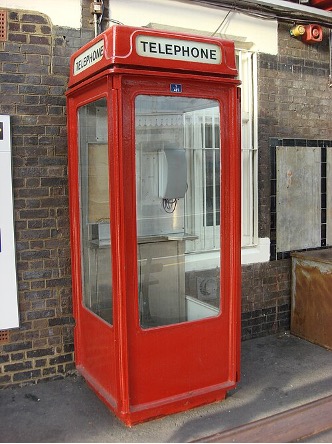
Figure 4. K8 kiosk. Photo Oxyman. Creative Commons Attribution 2.5 Generic license.
Perhaps the most famous of the K class is the iconic K6. The K6 was designed by Sir Giles Gilbert Scott in 1935 to commemorate George V’s Silver Jubilee. It was a smaller version of the K2 that he had originally designed for the GPO in 1924. Sturdy and robust in its wrought iron configuration it was installed extensively throughout the country and became a familiar and cherished feature on British streets.
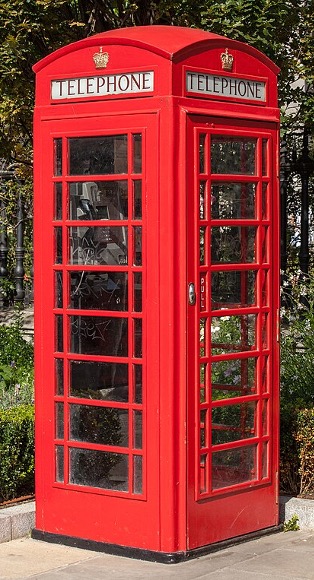
Figure 5. A K6 telephone kiosk in London. Photo Christoph Braun. Creative Commons CC0 1.0 Universal Public Domain Dedication.
The K6 features a shallow domed roof, an idea possibly inspired by the work of Sir John Soane.
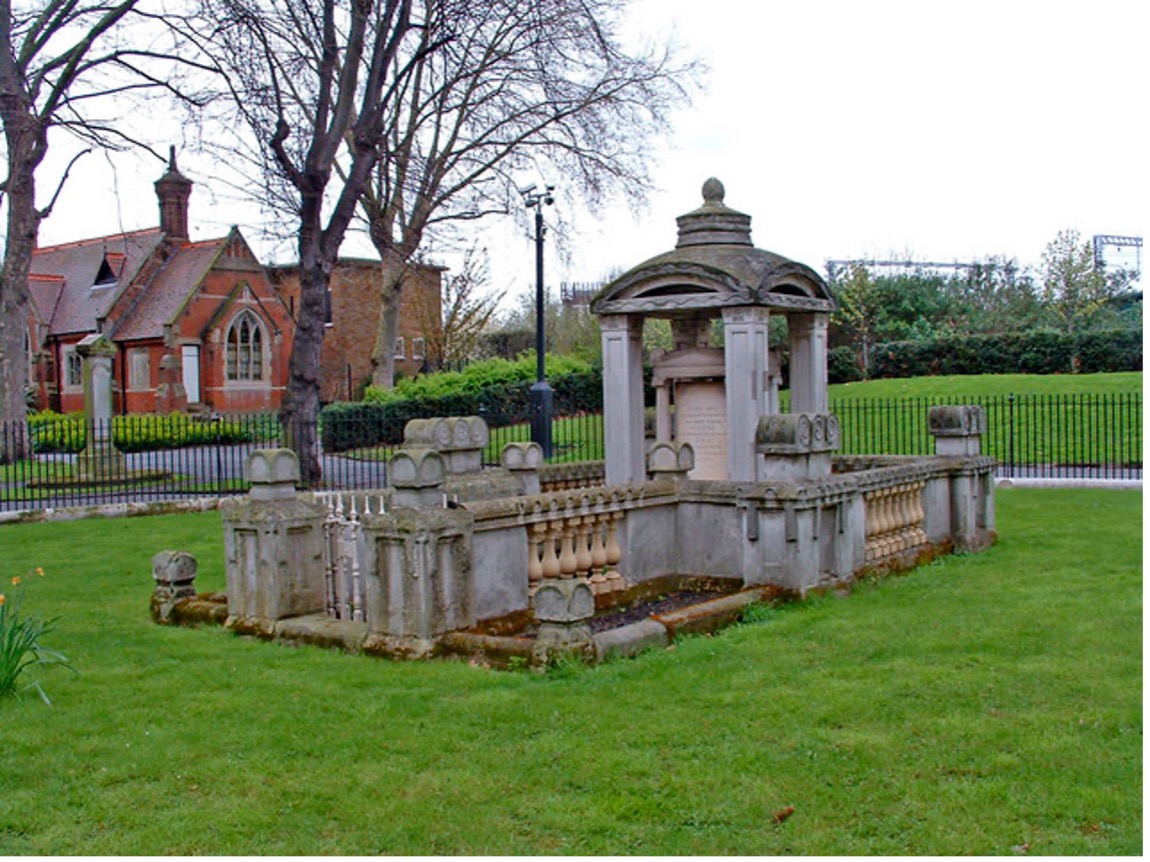
Figure 6. Tomb of Sir John Soane, St. Pancras Old Church, London. Photo Christine Matthews. Creative Commons Attribution-Share Alike 2.0 Generic license.
The shallow domed roof is well illustrated in Soane’s mausoleum as shown in Figure 6. (N.B. Soane’s domed ceiling style can also be seen in all its glory at the National Trust’s Wimpole Hall in Cambridgeshire).
In conclusion, I think the history of telephone kiosks evidences a regression in style over the last 100 years. Thankfully many of the K6 kiosks have been listed or have found a new life in the community as book exchange stores or mini- libraries or other useful community facilities.
End
Comments
Leave a comment